About Verse-spring
We preserve television history through meticulous archival research and documentation services.
How We Started
Television broadcasting left countless stories untold. While episodes occasionally survive in archives, the context surrounding their creation often disappeared within years of broadcast.
Production memos ended up discarded. Network executives retired without documenting their strategic thinking. Writers and directors moved on to new projects, taking institutional memory with them.
We recognized that preserving this knowledge required specialized research skills, archive access, and commitment to verification standards that most casual historians couldn't maintain.
Our Mission
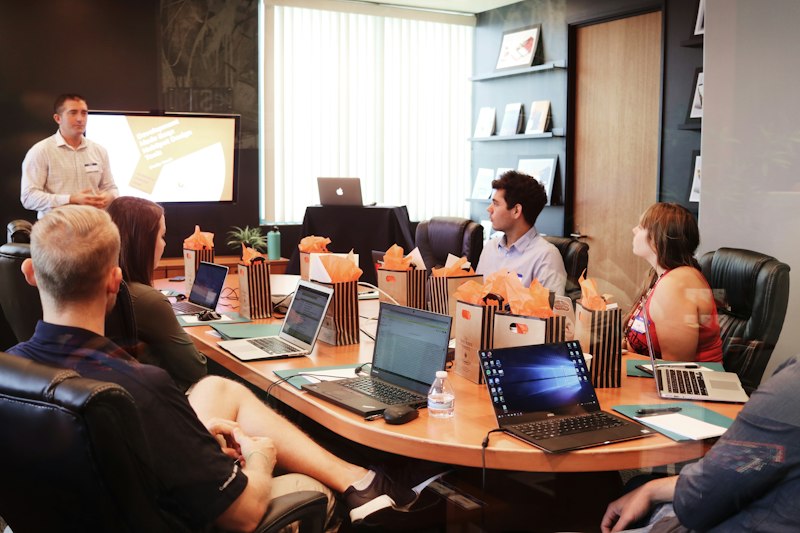
Accuracy First
Every claim undergoes verification against multiple independent sources. We document our research trail so others can validate our findings.
Context Preservation
Understanding why decisions were made matters as much as knowing what happened. We capture the broader circumstances that influenced outcomes.
Accessibility
Research remains valuable only when others can access it. We organize materials with proper metadata and citation standards.
Research Philosophy
Television history exists at the intersection of creative ambition, corporate strategy, technological constraint, and audience demand. No single perspective tells the complete story.
We approach each project by identifying relevant archive sources, conducting interviews with participants who retain firsthand knowledge, and cross-referencing contemporary industry publications against internal documentation.
This triangulation method reveals discrepancies between public narratives and actual events. Marketing departments often presented one version while production realities followed different patterns entirely.
Our documentation preserves both the official record and the messier truth behind it.
Areas of Expertise
Golden Age Broadcasting
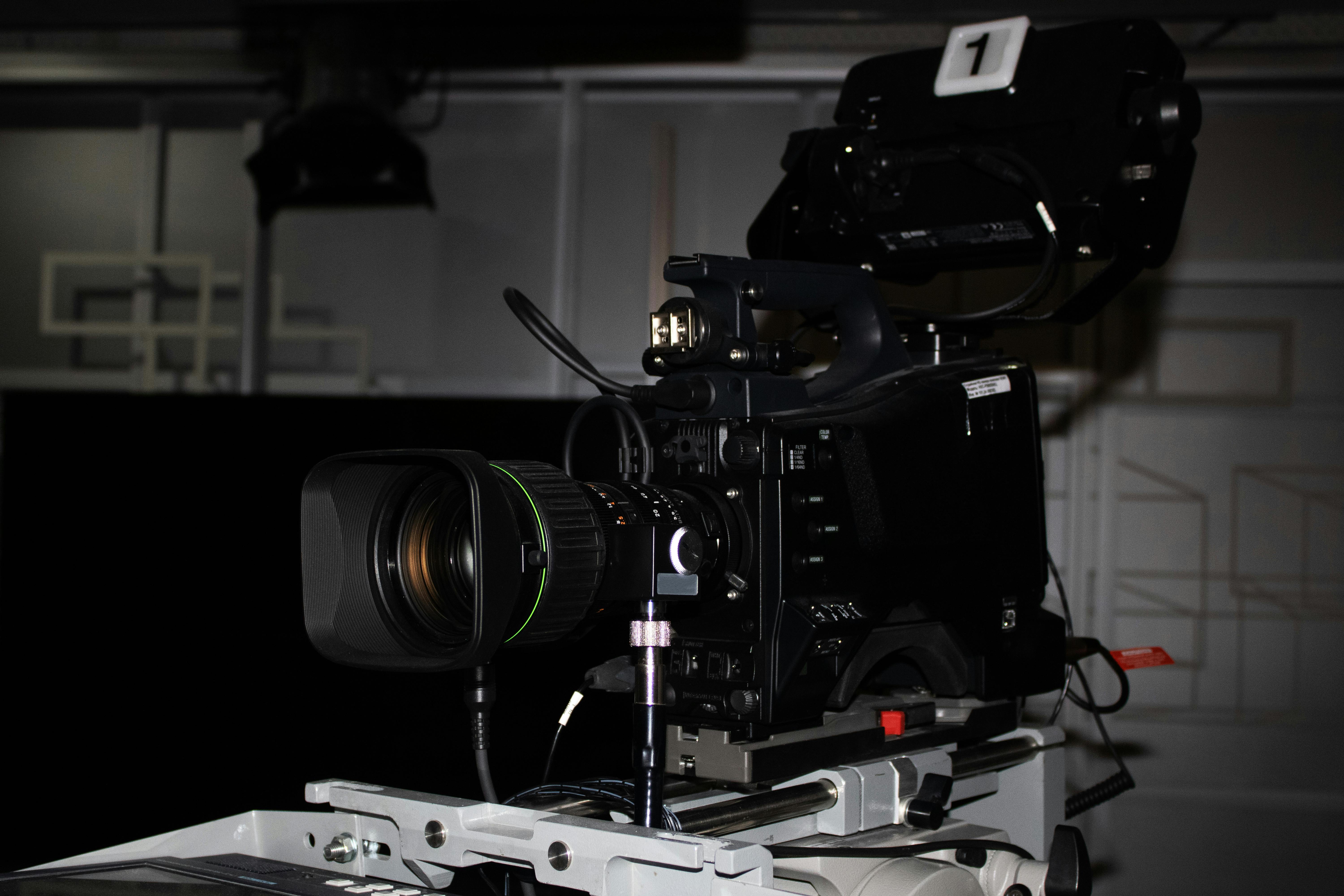
We specialize in programming from the 1950s through 1980s, when networks dominated viewership and production practices differed dramatically from modern approaches.
Network Politics
Understanding schedule warfare, executive interference, and competitive positioning helps explain why shows succeeded or failed beyond their creative merits.

Production Evolution
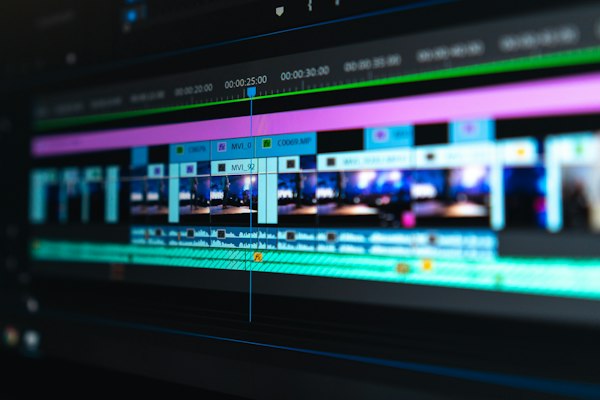
Technical capabilities and budget constraints shaped creative possibilities. We document how production methods influenced storytelling approaches across different eras.
What Guides Our Work
Archival research demands patience. Sources contradict each other. Memories prove unreliable. Documents contain errors or deliberate misrepresentations.
We commit to transparent methodology, acknowledging uncertainty where evidence remains incomplete rather than filling gaps with speculation.
When primary sources disagree, we present competing accounts with equal weight unless additional evidence establishes one version as more credible.
This approach sometimes produces less dramatic narratives than myth-making would allow, but it serves researchers who need factual foundations for their own work.
Research Team
Our researchers combine academic training with industry experience, enabling both scholarly rigor and practical understanding of television production realities.
Team members have worked across broadcast archives in multiple countries, published in academic journals focused on media history, and consulted for documentary projects requiring verified historical information.
This combination of theoretical knowledge and hands-on archive experience ensures we recognize significant materials others might overlook while maintaining proper documentation standards.
Archive Partnerships
Effective research requires access to materials held by institutions worldwide. We maintain relationships with university libraries, network archives, and private collections.
These partnerships enable us to locate obscure materials and verify information against original sources rather than relying on secondary accounts.
When clients need access to specific materials, we can often facilitate connections with appropriate archive holders and guide researchers through access procedures.